
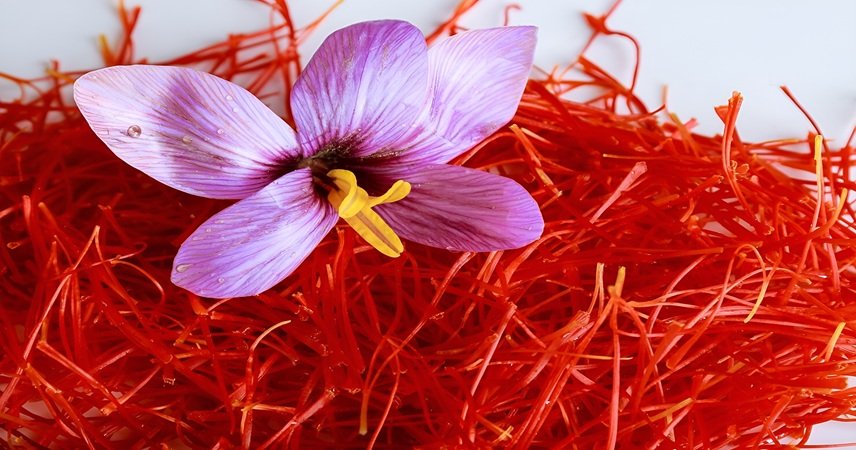
About Afghan Saffron
Saffron (Crocus sativus) is one of Afghanistan’s most valuable agricultural products, particularly grown in Herat Province, which produces the majority of the country’s saffron.
• Afghan saffron is globally admired for its deep color (crocin content), strong aroma, and unique flavor, thanks to the country’s ideal climate and soil.
• It has become a major export and a sustainable alternative crop to opium poppy, offering farmers better income and helping diversify the rural economy.
• According to ISO 3632 international standards, saffron is graded based on color strength, aroma, and the portion of the stigma (thread) included.
• Afghan saffron has won several international awards, often outperforming Iranian and Spanish varieties in purity and color quality.
Main Types of Afghan Saffron
Afghan saffron is classified into several main types or grades, depending on quality, thread length, and processing. Below are the key varieties explained separately?
1. Super Negin
• Super Negin is the highest-quality grade of Afghan saffron.
• The threads are long, completely red, and free from yellow or white parts.
• it has very high coloring power and a rich, floral aroma.
• this type is mainly used in luxury markets, export, and gourmet cuisine.
• Due to its rarity and high quality, the price is the highest among all grades.
2. Negin
• The Negin grade is slightly below Super Negin in quality.
• Threads are long and mostly red, but may include minor yellow or orange parts.
• It still offers excellent aroma and color strength, making it suitable for most culinary uses.
• This grade is more affordable than Super Negin while still maintaining high quality.
4. Pushal (or Pushali)
• The Pushal grade includes both the red stigma and a small portion of the yellow style.
• Because of this, its color strength and aroma are lower than higher grades.
• It’s a more affordable option for everyday cooking or large-scale use.
• However, care must be taken when purchasing, as very cheap Pushal may indicate low purity or adulteration.